📌 Key Takeaways
- Forwarders spend 113 minutes per shipment on processing — mostly preparing docs, sending updates, collecting data
- 99% of UAE respondents reported at least one burnout symptom (Cigna Vitality Study)
- 76% of supply chain leaders face workforce shortages; 58% say it hurts customer service
- The 6 daily drains: email triage, manual quoting, shipment admin, status checking, document chasing, internal coordination
- The fix is not resilience — it is removing work that should never have been manual
What are the real freight forwarding challenges that push good people out of the industry?
It is not the logistics itself. Delays happen. Schedules move. Customs asks for one more paper. That is the job.
The biggest drain is the layer of manual work wrapped around it: inbox triage, quote chasing, document follow-up, status replies, copy-paste recaps, and internal forwarding chains. Does your team spend more time on email than on actual freight?
That is where many freight forwarding challenges become human problems. Because teams spend too much of the day doing work that should never require their full attention.
The real challenge is not logistics — it's the manual work around it
Most operators can handle complexity.
Repetition does.
A vessel rollover is stressful, but it is also real operational work. What wears people down is spending the first half of the morning digging through email threads, checking portals, retyping shipment details, and replying to status requests.
Logixboard, citing RPA Labs, says freight forwarders spend an average of 113 minutes processing shipments, with most of that time going to preparing documents, sending updates and information, and collecting data. Nearly two hours per shipment is not strategy. It is admin wrapped around operations.
That is the point many owners miss. The team is not exhausted because the cargo is difficult. The workday is fragmented into tiny manual tasks before the real problem-solving even starts.
What burns people out in freight forwarding
Burnout in this industry rarely starts with one dramatic event.
It builds through routine.
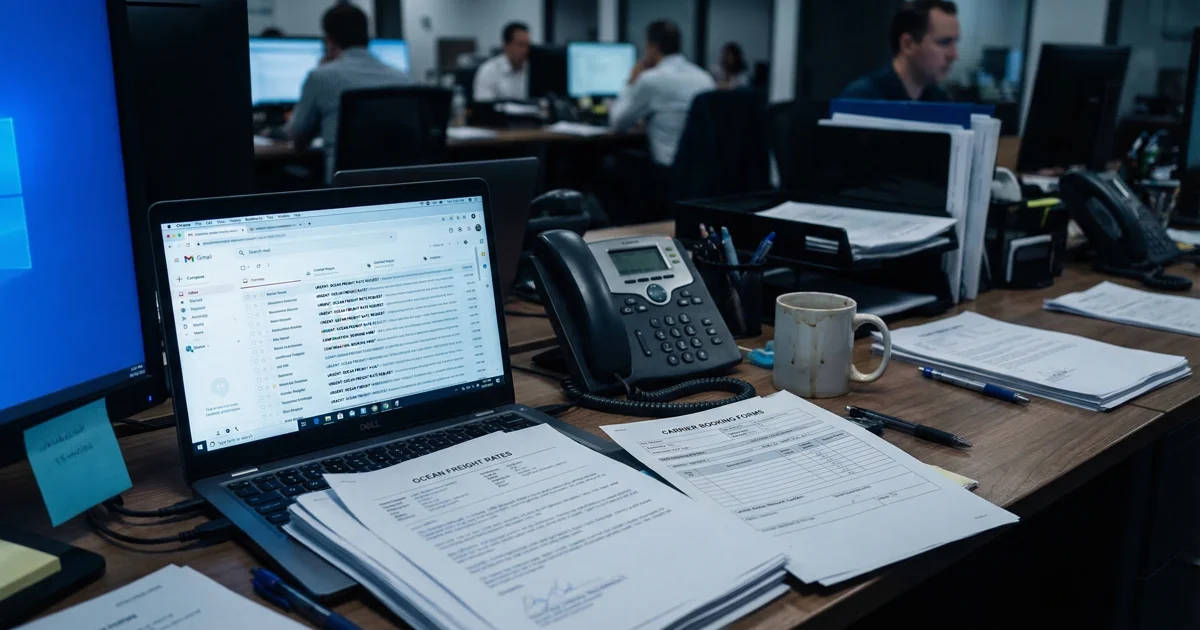
The routine looks familiar: one person clearing an inbox full of rate requests, another chasing a missing commercial invoice, and a pricing desk losing its whole morning to repetitive quote preparation.
Whitefox describes it well: "Another mid-tier freight forwarder has three pricing clerks spend each morning trawling e-mails and carrier portals, copy-pasting numbers before sending a quote. On a good day the loop takes four hours." That is not an unusual failure case. In many teams, that is the operating model.
CargoFive says a manual quote workflow can take from 1 hour 40 minutes up to 2–4 hours depending on complexity. GoFreight says status checking in email- or spreadsheet-based workflows can eat 30 to 60 minutes a day. FreightWaves reports operators can spend 20% of the day on document handling.
None of these tasks are impossible. That is why they are dangerous.
They look small, feel normal, and leaders underestimate how much energy they consume.
Dealing with the same challenge?
Book a free 30-min call — we'll map your email workflow together.
Book a Free Call →The 6 daily tasks that drain your team
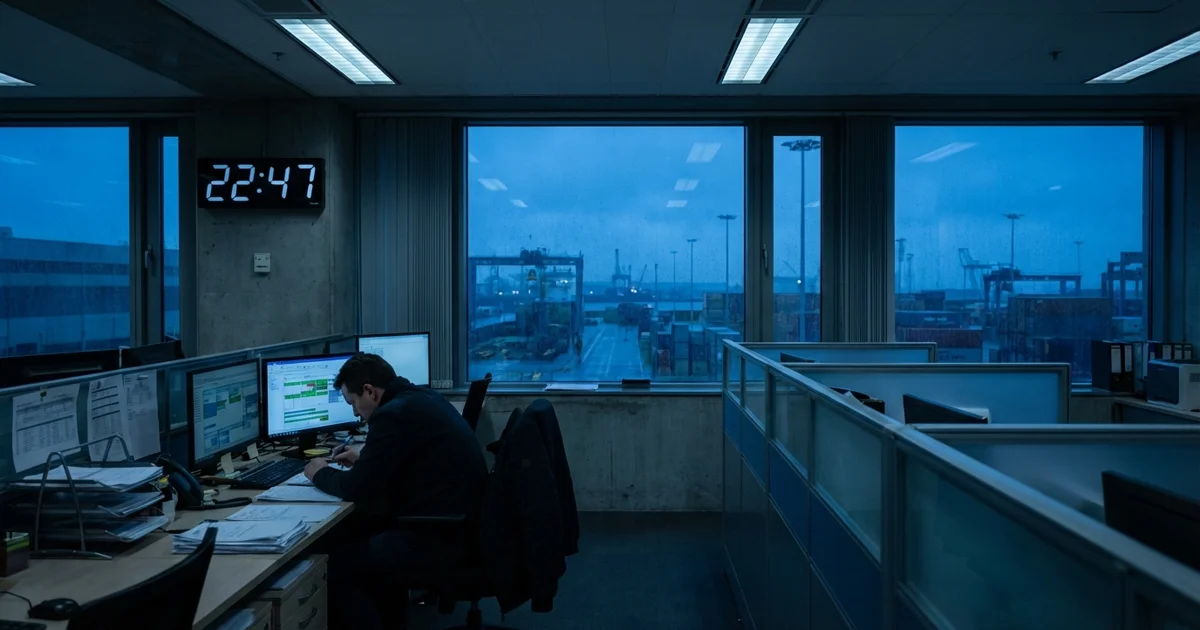
Here is where the real fatigue usually comes from.
1. Email triage
Harvard Business Review and McKinsey have estimated knowledge workers spend about 2.6 hours a day on email. In freight, where one booking can trigger 10 to 20 emails according to Logixboard, the real number can feel even worse.
Every unread message is a tiny decision: urgent, not urgent, quote, document, exception, follow-up, or status. That context switching drains people faster than a single hard task.
2. Manual quoting
CargoFive puts manual quoting at 1 hour 40 minutes to 2–4 hours per quote. Whitefox adds the image every freight office knows: pricing clerks stuck in carrier portals and inboxes, copy-pasting rates all morning.
This is one of the most expensive parts of the freight forwarding workflow because it steals time from response speed and margin thinking.
3. Shipment admin
Logixboard, citing RPA Labs, says forwarders spend 113 minutes per shipment on processing tasks such as collecting data, preparing documents, and sending updates.
That figure matters because it shows the issue is not one bad habit. It is a whole block of daily work built on re-entry and chasing.
4. Status checking and status replies
GoFreight says checking shipment status manually can take 30–60 minutes per day. That may sound manageable until you multiply it across a team and add the customer replies that follow every check.
How much of your team's day goes to proving the shipment is fine — rather than actually moving it? That is one of the most common freight forwarding challenges: not missing the shipment, but spending the day proving to everyone else that you have not missed it.
5. Document chasing and retrieval
FreightWaves says document handling can take 20% of an operator's day. Logixboard adds that historical document retrieval can take hours when someone needs an old file fast.
This is where pressure spikes. The document exists somewhere, but nobody knows exactly where or which version is final.
6. Internal coordination chaos
This part is harder to measure, but everyone in forwarding knows it: duplicate replies, unclear ownership, long CC chains, and handoffs that depend on memory instead of rules.
FreightSuite describes the result as delays from human errors and inconsistent communication. The issue is too many manual touchpoints.
Why working harder does not fix it
When teams fall behind, many companies default to the same answer: push harder.
Stay later. Reply faster. Ask people to be more careful.
But the data says the industry is already near the limit.
Culture Amp's 2025 logistics benchmark found 20% of workers are thinking about or actively seeking a new job. Freight Appointments, citing Descartes and SAPIO, reports 76% of supply chain and logistics leaders face workforce shortages, and 37% describe them as severe. The same source says 58% report that shortages have already hurt customer service.
So when leaders ask a tired team to simply work harder, they are not solving the underlying freight forwarding challenges. They are accelerating turnover.
People do not usually leave because one week was busy. They leave when every week feels like preventable overload. For example, one Dubai-based forwarder described their pricing team spending four hours every morning just copy-pasting rates from emails into spreadsheets — before a single quote went out.
🔧 Quick Win: 3 changes that cut manual load this week
You do not need a full rebuild to make the pressure visible.
Start with three low-friction changes.
1. Create templates for the top 5 request types
Pick the five messages your team sends every day: rate received, quote in progress, missing docs, shipment departed, and status update.
This does not remove thinking. It removes repetitive sentence-building. In most offices, that alone cuts reply time and reduces inconsistency.
2. Use a shared inbox with routing rules
The goal is simple: every message should have a clear owner.
No floating requests. No double replies. No guessing who is handling it.
3. Batch status updates once a day
GoFreight's 30–60 minutes per day on status checking gets worse when every request triggers a separate reply.
Define one daily status window for routine shipments. Send one clean batch. Keep exceptions separate.
⚡ Advanced: When you are ready to reclaim hours
Once the quick wins are in place, the next step is not asking people to move faster.
It is removing manual steps from the inbox-to-shipment process.
Freightmate claims its document handling approach can free 2+ hours per shipment. C.H. Robinson said in 2024 that its generative AI was handling 10,000+ routine email transactions per day. The lesson is clear: repetitive inbox and document work does not need to stay fully manual.
This is where freight forwarder software should help — not with dashboards, but with practical relief: extracting shipment details from messages, routing requests to the right owner, and giving customers a clean place to check progress without writing each update from scratch.
The useful question is not, "How do we make the team more resilient?" It is, "Which part of this freight forwarding workflow should never have been manual in the first place?"
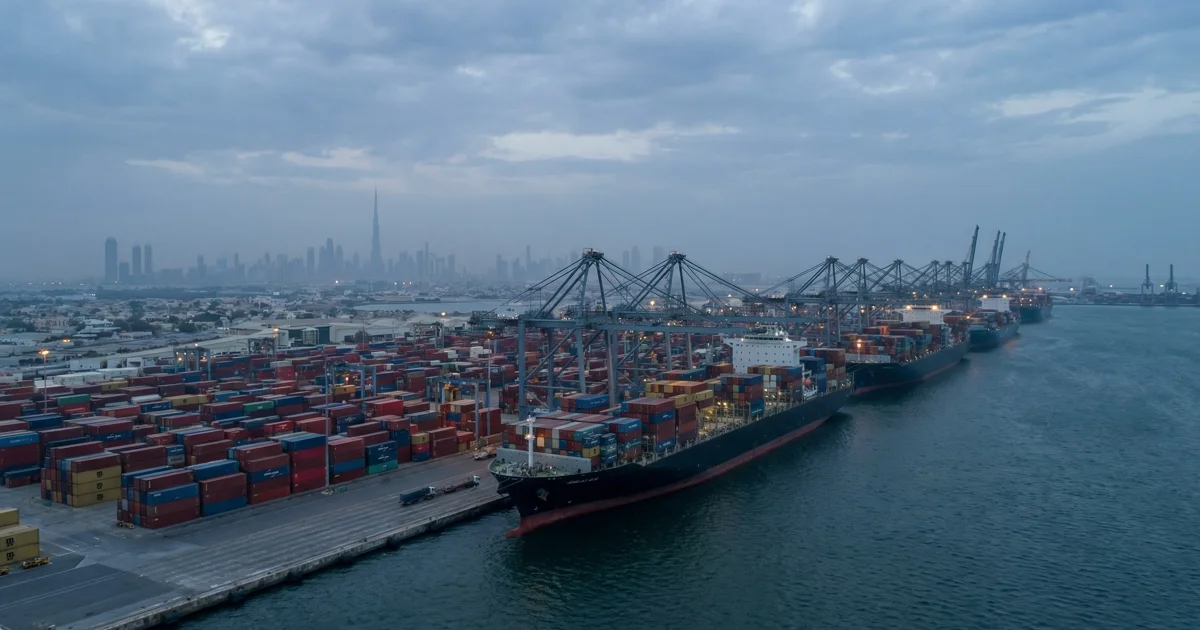
Dubai: where the pace makes burnout structural
Dubai adds another layer.
The market moves fast, clients expect quick answers, and the workday rarely stays inside office hours.
Khaleej Times reported in 2024, based on a survey of more than 2,700 professionals, that 50% of UAE employees feel pressure to work beyond their scheduled hours, while 45% report negative health effects from workload. The same reporting includes a quote many logistics teams will recognize: "Sometimes requests come in late night and we are scrambling to fulfil them… if we put in 'off times', we will surely lose clients."
MEED, citing Cigna research, reported 95% of workers are affected by always-on culture and 71% are working longer hours. The Cigna Vitality Study found 99% of respondents reported at least one burnout symptom. Khaleej Times also reported roughly 85% want to change jobs within the next year.
Place that on top of freight reality: timezone bridging, WhatsApp plus email duplication, and Ramadan-compressed hours. Burnout becomes structural.
The same manual load simply hits harder in a market that already runs hot.
The challenge is not resilience — it's removing what should not be manual
Freight forwarding will always be demanding.
No serious operator expects a calm inbox or perfect schedules.
But there is a big difference between unavoidable pressure and self-inflicted drag. The first comes with the industry. The second comes from forcing skilled people to spend their best hours on repetitive message handling and document chasing.
That is why the real answer to burnout is not a motivational speech about toughness.
It is workflow design.
If your team is drowning, do not start by asking whether they need more discipline. Start by asking how many daily tasks are manual only because "that is how we have always done it."
That question is where relief starts.
See how Quantika removes the manual work that burns your team out.